What Red Light Is Actually Doing For Skin
LED therapy is less about instant glow and more about how skin cells respond to light, energy, inflammation, and recovery over time.

Red light therapy has become one of beauty tech’s favorite promises: glowier skin, firmer texture, calmer redness, and a routine that looks clinical enough to feel convincing.
But red light is not exfoliating your skin. It is not resurfacing like an acid. It is not tightening your face overnight.
The real story is quieter: red and near-infrared light are studied for their role in photobiomodulation, a process connected to cellular energy, inflammation signaling, and repair pathways. Cleveland Clinic notes that red LED light may help reduce inflammation and support collagen production, while the American Academy of Dermatology frames red light as an option people are using for signs of aging, though results vary and the evidence is still developing. Cleveland Clinic / AAD
Red light is often discussed in the 630–660nm range.
Near-infrared wavelengths are often discussed around 830–850nm, with different penetration behavior and device designs.
Results are usually cumulative, not instant.
The visible payoff tends to come from consistency, device quality, and realistic expectations.
LED became popular because it looks like skincare finally got hardware.
The rise of red light therapy sits at the intersection of clinical beauty, wellness culture, and at-home device fatigue. Consumers want results, but they also want less downtime, fewer harsh actives, and tools that make a routine feel more intentional.
That is why LED masks and panels have become so sticky. They look futuristic. They feel low-effort. And unlike a peel or retinoid, they are not asking the skin to shed, sting, or visibly react.
Red light is popular because it feels like “doing more” without adding another active. But the value is not intensity. It is repeatable, low-friction consistency.

What red light is actually targeting.
The simplified version: red light therapy is studied for the way certain wavelengths interact with cells, especially through mitochondria, the energy centers involved in cellular function.
In photobiomodulation research, red and near-infrared light have been connected to mitochondrial activity, ATP production, and downstream signaling pathways involved in repair and inflammation response. A 2024 dermatology review describes photobiomodulation as a light-based approach being studied across skin applications, while clinical reviews note that treatment parameters like wavelength, duration, and output matter. NIH / PMC Review
Light reaches skin
Specific red or near-infrared wavelengths are delivered through an LED device.
Cells respond
Research connects photobiomodulation with mitochondrial and cellular signaling activity.
Recovery improves
The visible result is usually calmer-looking, more resilient skin over time.
What people think red light is doing versus what it is actually doing.
Instant anti-aging transformation.
The marketing makes it feel like LED should visibly lift, tighten, and erase texture immediately.
Gradual support for recovery and skin behavior.
Red light is more about consistency, inflammation support, collagen signaling, and repair pathways over time.

Where red light makes the most sense.
Red light fits best into routines focused on recovery, skin calm, texture support, and long-term skin maintenance. It is especially interesting for people who want to support the skin without adding another exfoliant or strong active.
Post-active recovery
Useful after routines heavy on retinoids, exfoliating acids, or treatments.
Redness support
Often discussed for calming visible inflammation and stressed-looking skin.
Texture maintenance
Not resurfacing, but potentially supportive for smoother-looking skin over time.
Consistency routines
Works best when it becomes a repeatable part of the routine, not an occasional panic step.
LED devices worth comparing.


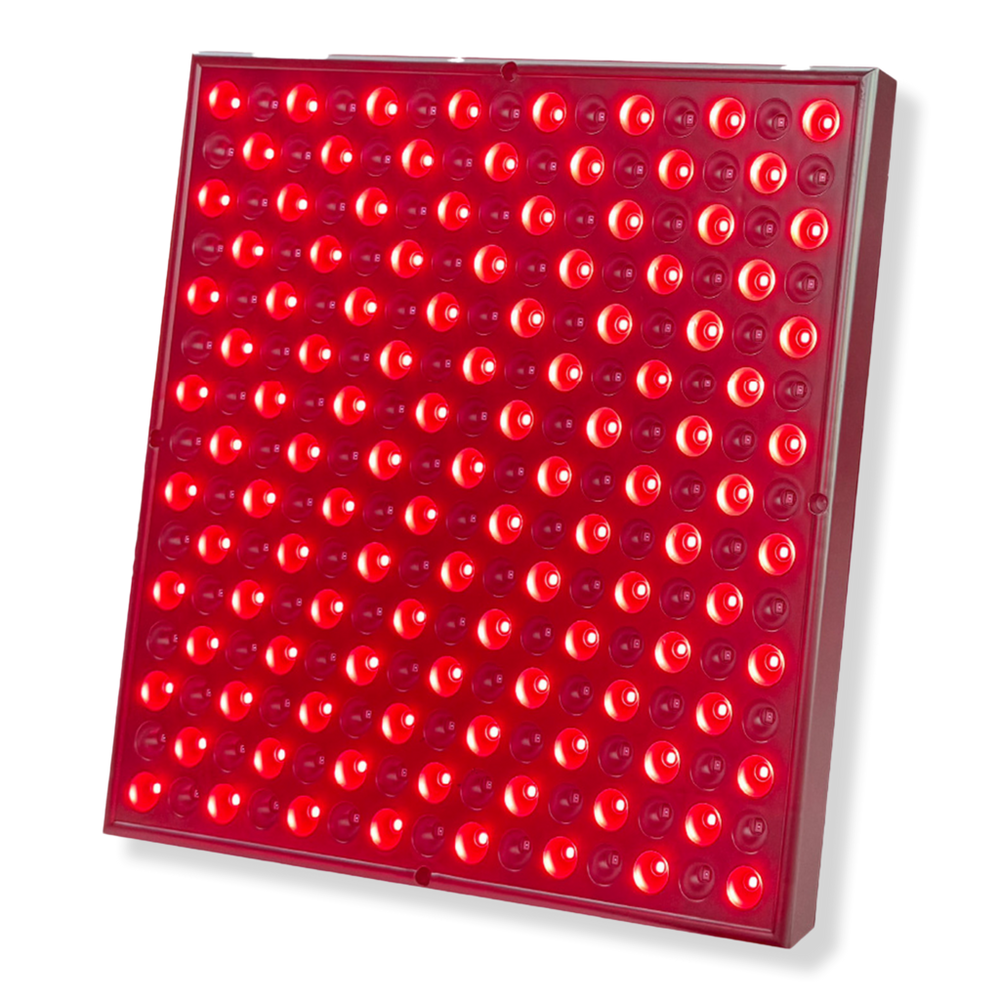
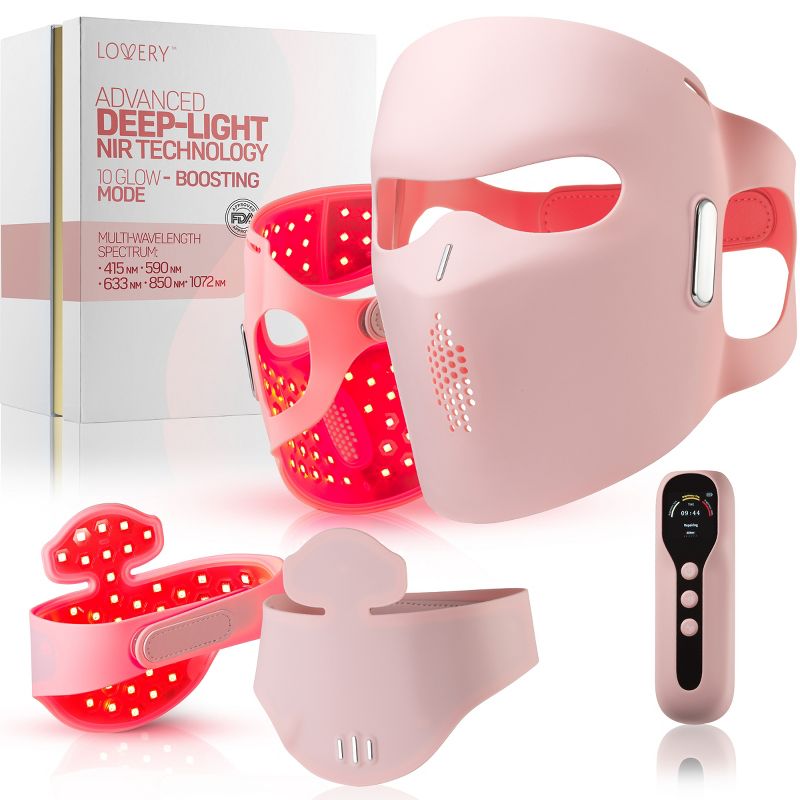
Not every glowing red mask is doing the same thing.
Device quality matters because light therapy depends on more than color. Wavelength, irradiance, treatment distance, coverage, duration, and consistency all influence how meaningful the treatment may be.
This is why “red light” as a product label is not enough. A weak device, inconsistent use, poor fit, or unrealistic treatment window can turn a science-backed category into a decorative vanity object.
Check the listed wavelengths.
Look for clear treatment timing instructions.
Consider whether the device actually fits close enough to the skin.
Prioritize consistency over the most dramatic-looking device.

Red light is not a replacement for the basics.
Red light does not replace sunscreen. It does not replace a well-built barrier routine. It does not replace retinoids, exfoliation, or in-office treatments when those are actually what the skin needs.
It works best as support, not as the entire strategy.
A miracle device.
Expecting overnight tightening sets the category up to disappoint.
A recovery layer.
Think of it as a supporting tool for consistency, calm, and long-term maintenance.
Routine pairings for LED nights.
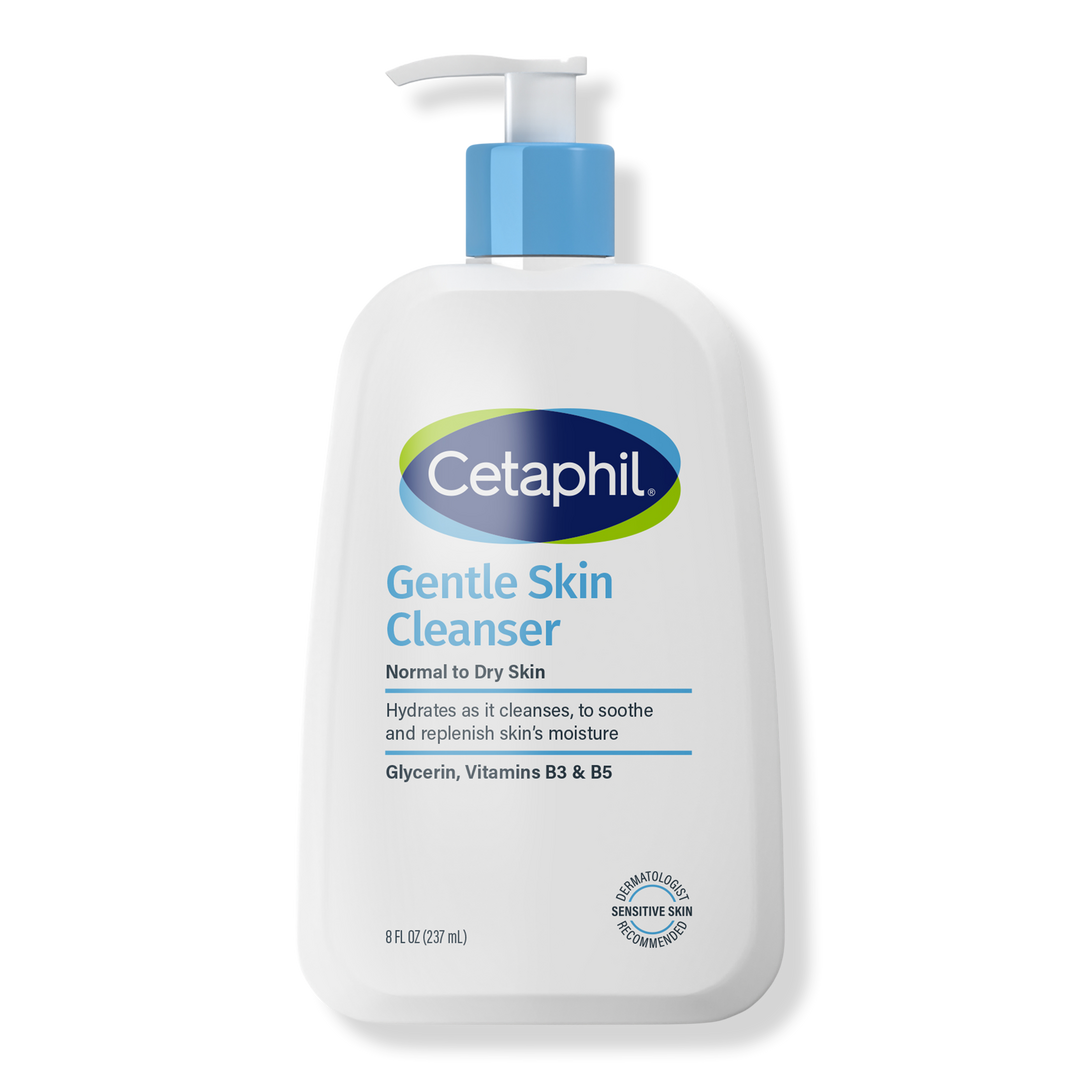
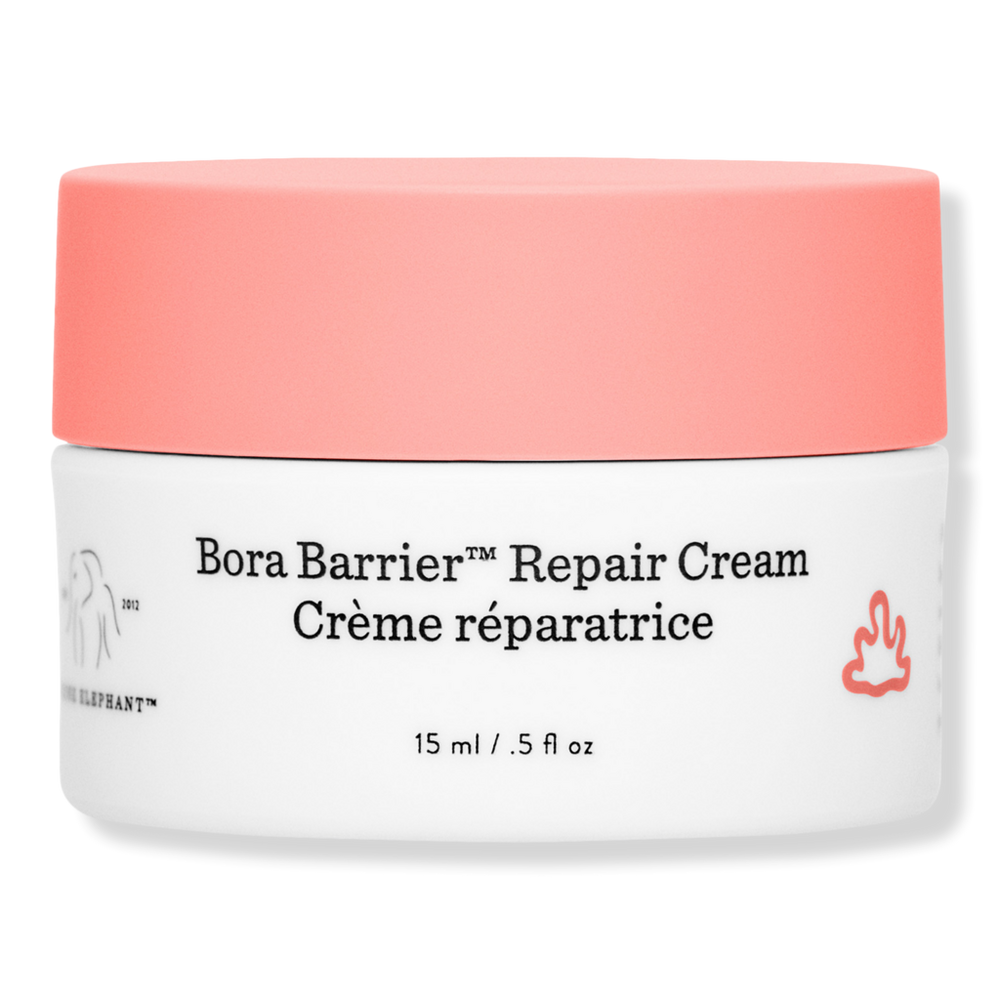
Optional product strip for calming, hydrating, and barrier-supporting products that make sense alongside LED routines.