Gloss Bureau / Ingredient File
Unlocking the True Benefits of Vitamin C in Skincare
The glow ingredient everyone talks about, but few people use correctly.
Vitamin C is not a flash-glow shortcut. It is a daily correction layer built for tone, texture, antioxidant support, and long-game radiance.

Vitamin C is one of the most talked-about ingredients in skincare. It appears in product launches, glow claims, dermatologist routines, and shelfie edits constantly. The problem is that most of the conversation stays vague.
People buy a serum, use it a few times, and decide it either works instantly or not at all. That is usually the wrong read.
What Vitamin C Actually Does
Vitamin C is often marketed like a brightness shortcut, but its real value is broader. It is an antioxidant ingredient that helps support skin against oxidative stress while improving the look of dullness, uneven tone, and post-breakout marks over time.
Brightens Tone
Helps improve the appearance of dullness and uneven skin tone.
Targets Marks
Supports a more even look when dealing with post-breakout discoloration.
Supports Collagen
Vitamin C plays a role in collagen synthesis, making it relevant for firmness-focused routines.
Defends Daily
Works well alongside sunscreen as part of a broader environmental defense routine.

The Stability Problem
This is where many routines fall apart. Not at application. At formulation and storage.
The most studied form of Vitamin C, L-ascorbic acid, is also one of the most unstable. It can degrade when exposed to light, air, and heat. That means a strong serum can become a weak one faster than people realize if it is packaged badly or stored carelessly.
“It turned darker, but it should still be fine.”
Noticeable yellow, orange, or brown color change can be a sign that oxidation has started.
Not All Vitamin C Is the Same
One of the biggest mistakes in this category is treating every Vitamin C serum as interchangeable. The form matters. The concentration matters. The delivery system matters. And your skin’s tolerance matters most.
L-Ascorbic Acid
- Most researched form
- Often stronger and more direct
- Can be less stable and more irritating
Vitamin C Derivatives
- Often gentler
- Usually more stable
- May work more gradually
Gloss Bureau Select
Shop the Vitamin C Edit
A focused edit for brightening, barrier support, and the SPF pairing that makes Vitamin C make sense.
 Best Classic
Vitamin C Serum
For uneven tone, dullness, and long-game antioxidant support.
Shop Now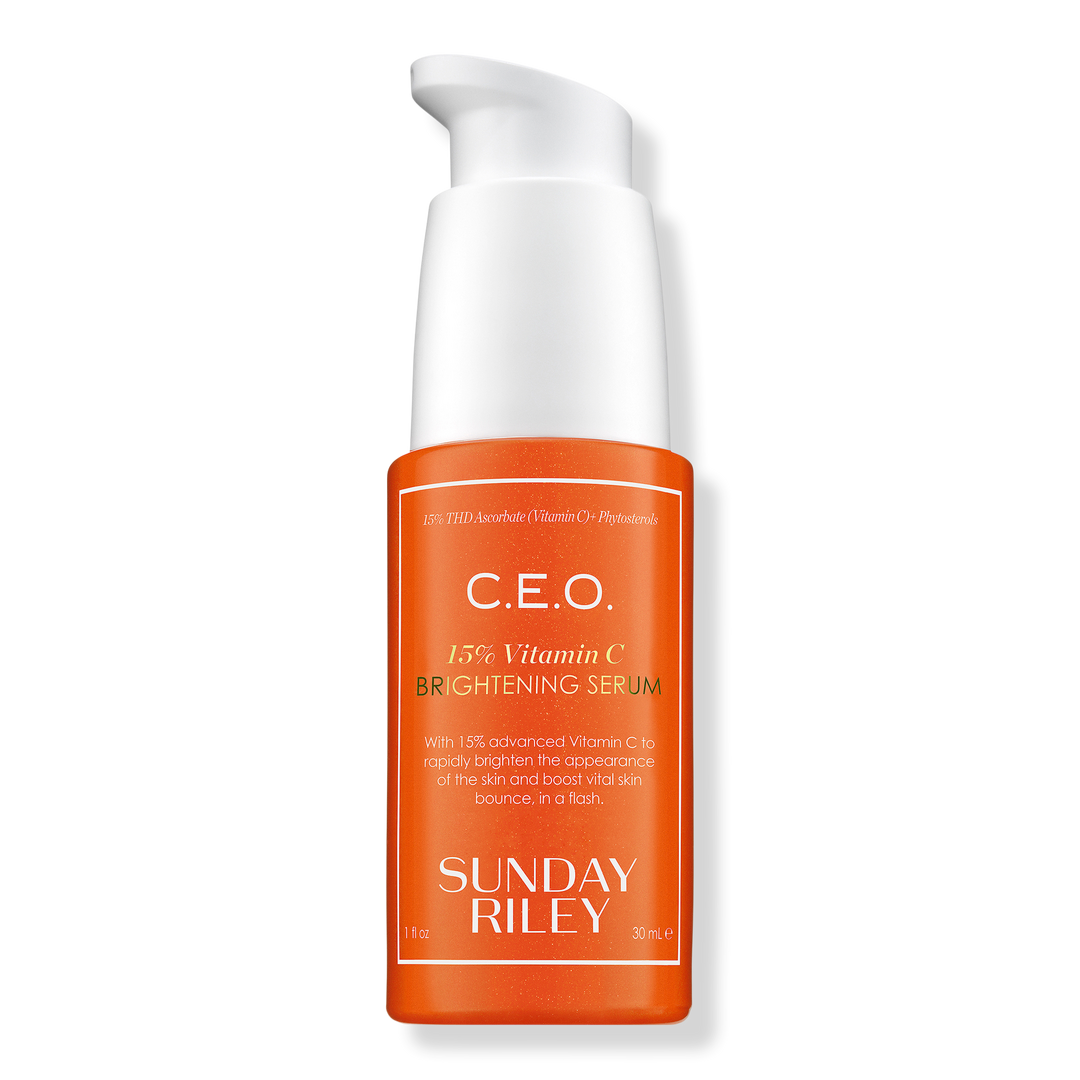 Best Gentle
Stable Vitamin C
For beginners or sensitive skin that needs a lower-friction formula.
Shop Now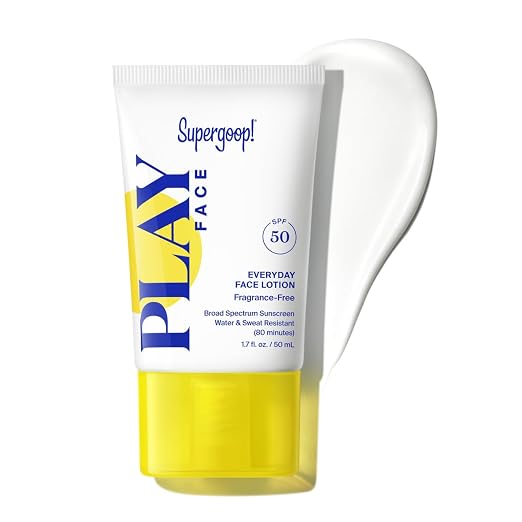 Required Pairing
Daily SPF
Vitamin C makes more sense when sunscreen is doing its part.
Shop NowHow to Actually Use Vitamin C
Vitamin C works best when it is part of a stable routine, not thrown into a crowded one.
The Morning Order
Cleanser → Vitamin C → Moisturizer → SPF
- Apply to clean, dry skin.
- Start three to four mornings per week if your skin is reactive.
- Store the bottle away from direct sunlight and heat.
- Do not skip sunscreen.

Texture Is Not the Same as Performance
A serum can feel elegant and still be weak. It can also feel slightly active and still be excellent. Some high-performing Vitamin C formulas may feel tacky, have a slight scent, or come in less decorative packaging because the packaging is doing a real job.
“It feels lightweight and luxurious, so it must be better.”
Cosmetic elegance and active performance are different metrics. A beautiful texture helps consistency, but it is not proof of potency.
The Gloss Bureau Standard
Vitamin C is not just a glow step. It is a long-game ingredient. One that works best when the formula is stable, the routine is calm, and SPF is doing its part.
Used well, it does more than make skin look brighter for a day. It helps shift the way skin performs over time.
Vitamin C does not need to be louder. It needs to be stable, consistent, protected from oxidation, and paired with sunscreen. That is where the visible payoff lives.


