What Hyaluronic Acid Actually Does (Quickly)
The hydration molecule that works best when the environment is right.

Hyaluronic acid is one of the most used ingredients in skincare—and one of the most misunderstood.
It’s marketed as hydration. Plumping. Glow.
But what it actually does is simpler—and more conditional.
What It Is
Hyaluronic acid is a humectant.
It doesn’t create moisture. It pulls water from its surroundings and holds onto it.
That water can come from:
- The air (humidity)
- Other skincare layers
- Your own skin (if nothing else is available)
Reality: It’s temporary water binding—not long-term hydration on its own.
What It Actually Does
Hyaluronic acid improves how the skin holds water at the surface.
When used correctly, it can:
- Increase short-term hydration
- Reduce the appearance of fine lines (from dehydration)
- Improve skin texture and bounce
- Support overall skin comfort

The Mistake Most People Make
Hyaluronic acid needs water + seal.
Without both, it can actually make skin feel tighter over time.
Why?
In dry environments, it pulls water from the deeper layers of your skin instead of the air.
That’s when people say:
- “It’s not hydrating me”
- “My skin feels drier after using it”

How to Use It Correctly
Hyaluronic acid works best as part of a system—not a standalone step.
- Apply to slightly damp skin
- Layer under moisturizer (to seal hydration)
- Use in routines that include barrier support
Think of it as a hydration amplifier, not the source.
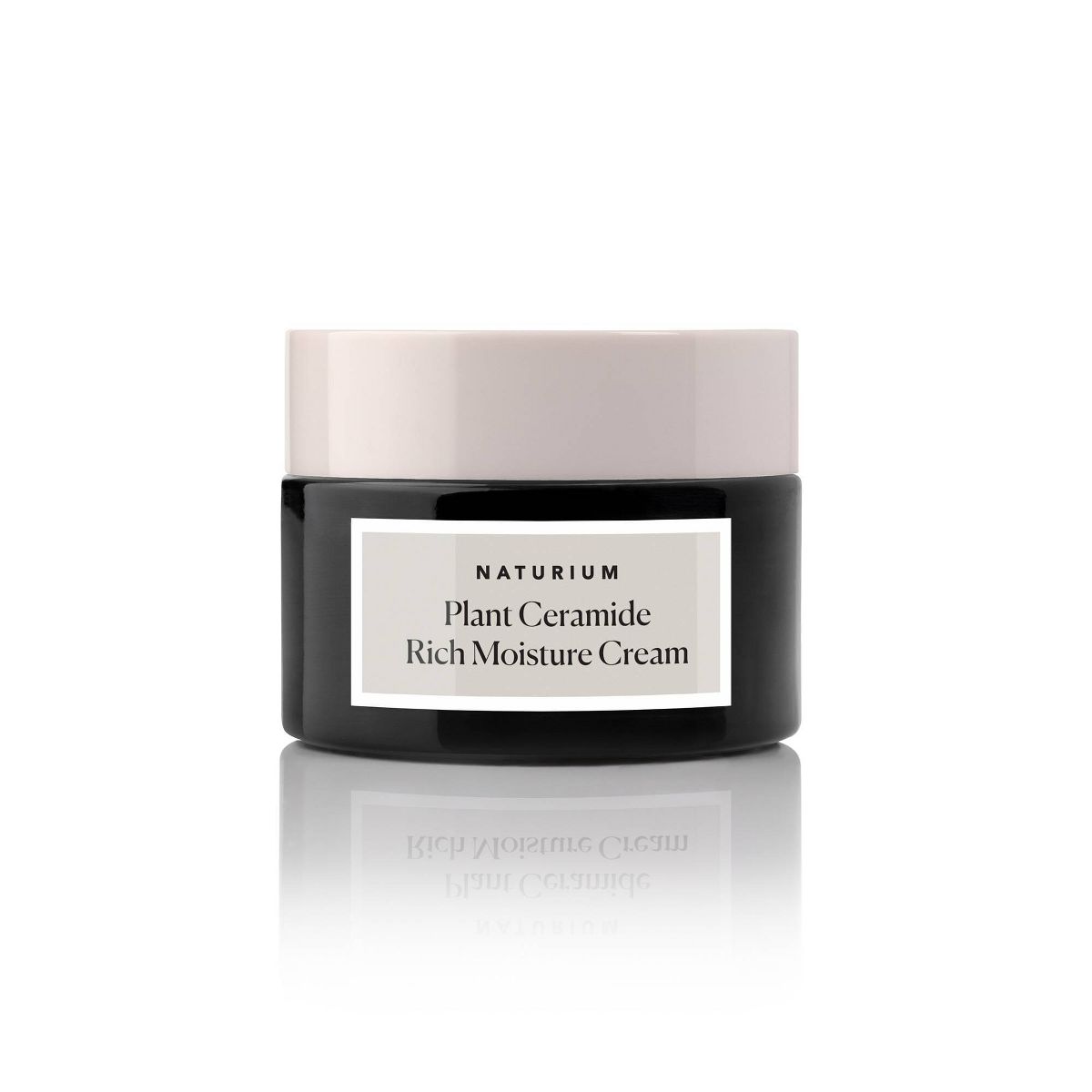
Shop the Bureau
Hydration that actually holds.
Formulas that pair water-binding with barrier support.

Where It Fits in a Routine
Hyaluronic acid is not your treatment step.
It’s your support layer.
It works best when paired with:
- Exfoliants (to reduce dehydration after use)
- Retinoids (to offset dryness)
- Vitamin C (to maintain skin comfort)
Reality: Hydration only works if it’s sealed and supported.
The Bottom Line
Hyaluronic acid doesn’t hydrate your skin.
It helps your skin hold hydration better.
And whether it works—or backfires—depends entirely on what you layer around it.


